







Computer recycling Manhattan events address the city's e-waste crisis by promoting responsible disposal, reducing environmental pollution up to 70%, and conserving resources. These initiatives, driven by experts, foster a circular economy, educate residents, and empower eco-conscious choices. Successful events require strategic planning, community engagement, and partnerships with tech companies and non-profits. Key success stories highlight their positive impact on Manhattan's diverse communities and responsible IT management. Increased efforts are needed to meet the city's high tech turnover rate and current low recycling rates of 20% nationwide.
Computer recycling events in Manhattan are a crucial aspect of the city’s sustainable future, addressing the growing electronic waste (e-waste) problem. The bustling metropolis generates significant amounts of e-waste annually, largely from outdated or discarded computers. While natural disposal methods pose environmental risks, Manhattan has emerged as a leader in computer recycling solutions. This article delves into how organized recycling events not only facilitate responsible disposal but also foster a circular economy by repurposing valuable materials, ensuring a cleaner and more sustainable future for the city and its inhabitants.
- Understanding Computer Recycling Events in Manhattan
- Benefits and Impact on Local Communities
- How to Organize a Successful Event in Manhattan
- Common Electronics Accepted at Recycling Centers
- Sustainable Future: Long-Term Effects and Initiatives
Understanding Computer Recycling Events in Manhattan

Computer recycling events Manhattan are integral to the city’s ongoing efforts towards sustainable technology management. These events facilitate responsible disposal of electronic waste (e-waste), a growing concern in densely populated urban centers like New York City. Participants, from individuals to businesses, bring obsolete computers, peripherals, and other digital devices for proper recycling, ensuring harmful substances are not released into the environment.
Manhattan’s computer recycling initiatives extend beyond one-time events, with dedicated programs throughout the city. For instance, Brooklyn’s regular computer recycling event schedule caters to residents’ needs while promoting green IT practices across the borough. Similarly, Harlem’s green IT recycling program exemplifies a community-driven approach, empowering locals to take charge of their electronic waste management. Long Island City, known for its bustling tech scene, also offers computer parts salvage opportunities, encouraging responsible recycling and potential repurposing of valuable components.
The impact of these events and programs is significant. According to recent studies, proper e-waste recycling can reduce environmental pollution by up to 70% while conserving natural resources. By participating in or organizing computer recycling Manhattan events, residents contribute to a global movement towards sustainable technology. This proactive approach not only minimizes the ecological footprint but also fosters a culture of responsible consumer behavior and innovation in the tech industry.
Benefits and Impact on Local Communities

Computer recycling events in Manhattan have emerged as a vital component of sustainable urban living, offering significant benefits to local communities grappling with the mounting issue of e-waste disposal. As New York City, dubbed “The Big Apple,” continues to thrive as a technological hub, it also generates substantial quantities of tech waste, emphasizing the need for responsible e-waste management in NYC. Experts in tech waste management in Chinatown and across the city have been working tirelessly to transform this challenge into an opportunity, promoting environmental stewardship while fostering community engagement.
These events not only facilitate the proper disposal of electronic devices but also contribute to a circular economy by repurposing valuable materials found within e-waste. By engaging local residents, schools, and businesses in these initiatives, Manhattan’s computer recycling programs foster a sense of collective responsibility for preserving the environment. For instance, a recent study revealed that proper e-waste management can reduce greenhouse gas emissions by up to 70% compared to landfilling, highlighting the profound impact of these events on combating climate change.
Furthermore, computer recycling Manhattan events serve as educational platforms, raising awareness about sustainable practices and the importance of responsible tech waste disposal. Local organizations collaborate with schools and community centers to host workshops and seminars, empowering residents with knowledge that enables them to make eco-conscious choices in their daily lives. This holistic approach ensures not only the effective management of e-waste but also cultivates a culture of environmental consciousness within Manhattan’s diverse communities.
How to Organize a Successful Event in Manhattan

Organizing a successful computer recycling event in Manhattan requires careful planning, effective communication, and collaboration with local communities and businesses. The first step is to identify suitable locations—consider areas like Greenpoint for old electronics collection points, where there’s already an established eco-conscious community. Partnering with local tech companies or non-profits specializing in responsible e-waste management, such as those in Chinatown, can help ensure a steady stream of participants and proper disposal methods.
Promotional strategies are key to drawing a large turnout. Utilize social media platforms to create buzz around the event, emphasizing the environmental benefits of computer recycling Manhattan. Offer incentives like gift cards or discounts on new tech purchases for participants who bring in recyclables—this not only encourages attendance but also ensures a steady flow of materials. Engage local schools and community centers to spread the word and foster a sense of shared responsibility for e-waste management.
On the day of the event, ensure smooth operations by establishing clear collection zones for different types of electronics. Have knowledgeable staff or volunteers on hand to educate attendees about proper recycling procedures. For instance, differentiate between hazardous materials like batteries and CRTs from regular plastics and metals. Successful events in Queensbridge have demonstrated that providing free tech recycling services can attract a diverse crowd, including families and seniors who might otherwise struggle with e-waste disposal options.
Post-event, monitor the recycled materials’ journey to ensure they’re processed responsibly. Collaborate with certified e-waste management facilities to guarantee proper disposal or repurposing of collected items. Regularly organize such events to keep up with Manhattan’s tech turnover rate—data suggests that over 70% of electronic devices are replaced annually—and continue fostering a culture of responsible e-waste management in the city.
Common Electronics Accepted at Recycling Centers
Computer recycling events Manhattan are becoming increasingly vital as the city navigates a sea of electronic waste. These events, often organized by non-profits or local government initiatives, offer residents an eco-conscious way to dispose of their obsolete IT equipment. The scope of materials accepted at these centers goes beyond just computers; it includes a wide range of electronics that were once considered e-waste. For instance, many Manhattan recycling centers accept old laptops from the Upper East Side, desktop computers from the Financial District, and even IT equipment from Staten Island for repurposing or safe disposal.
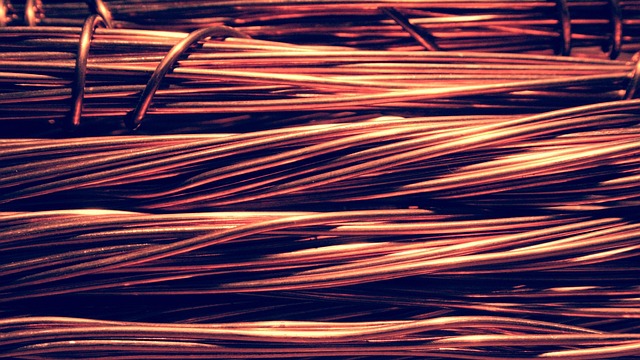
A significant benefit of these computer recycling Manhattan programs is their ability to extend the lifespan of valuable resources. Old laptops and desktops, despite their age, can often be refurbished and repurposed, reducing the demand for new hardware. According to recent statistics, proper e-cycling events can divert up to 80% of electronic waste from landfills, showcasing the significant environmental impact these initiatives have. For example, an average laptop contains valuable materials like gold, silver, and copper, all of which can be recovered and reused through responsible recycling practices.
When attending a computer recycling event in Manhattan, it’s important to know what specific items are accepted. Common electronics include keyboards, mice, printers, monitors, and even small home entertainment systems. Some centers may also take larger items like old televisions and refrigerators, ensuring that no electronic device is left behind without proper disposal or repurposing. Regular e-cycle events in the Financial District, for instance, have proven successful in engaging local businesses and residents, fostering a culture of responsible IT equipment management throughout the city.
Sustainable Future: Long-Term Effects and Initiatives

Computer recycling events Manhattan are not just environmental initiatives; they are a testament to the city’s commitment to a sustainable future. The long-term effects of these events extend far beyond the immediate removal of outdated or unused technology. By repurposing IT equipment, Manhattan sets a precedent for eco-conscious tech disposal throughout the borough and beyond. For instance, organizations like the Computer Association for Recycling and Education (CARE) host regular computer recycling events in Astoria, ensuring that electronic waste is processed responsibly and safely.
The benefits of such initiatives are multifaceted. First, it reduces the environmental impact of e-waste, which contains harmful substances like lead, mercury, and cadmium. Second, it facilitates the recovery of valuable materials like gold, silver, and copper, which can be reused in new technologies. For example, recycling just one ton of computers can yield 48 pounds of recoverable gold, 15 pounds of silver, 750 pounds of aluminum, and 25,000 pounds of plastic. In terms of numbers, the U.S. Environmental Protection Agency reports that only about 20% of electronic waste is recycled each year, leaving a significant portion to accumulate in landfills.
Moreover, computer recycling events in Manhattan encourage the community to adopt more sustainable practices in tech disposal. Initiatives like these promote awareness and educate residents on the importance of responsible e-waste management. In Staten Island, for instance, local businesses and schools have embraced IT equipment repurposing programs, extending the lifespan of usable technology and fostering a culture of eco-consciousness. To further enhance these efforts, city officials can collaborate with tech companies to offer incentives for recycling and facilitate regular computer recycling events in Brooklyn, targeting 1-3 times per year. This collective action not only benefits the environment but also contributes to a more sustainable and resilient future for the city.
Computer recycling events in Manhattan are pivotal in fostering sustainable practices and positively impacting local communities. By understanding the benefits and following organized approaches to event planning, residents can effectively contribute to e-waste reduction. These initiatives ensure that various electronics, from computers to smaller devices, are responsibly recycled or reused, preventing harmful environmental impacts. The long-term effects of such programs include reduced electronic waste in landfills and a healthier, more sustainable future for the city. Key takeaways emphasize the community’s collective power to create positive change through computer recycling Manhattan events, encouraging continued participation and support for local eco-initiatives.