




Computer recycling Manhattan is a vital initiative addressing the global e-waste crisis. Specialized centers disassemble and recycle components, extracting valuable materials while preventing hazardous waste from landfills. This practice creates job opportunities, conserves natural resources, and promotes responsible consumption. Strict regulations like the Electronic Waste Management Act ensure secure data destruction and ethical component recycling. Manhattan's diverse computer recycling programs, including free collections and educational workshops, aim to reduce e-waste by up to 70%. Businesses are adopting sustainable practices, recognizing their environmental responsibility. Advancements in technology enhance efficient e-waste management for businesses across Manhattan. The future looks promising as the city prioritizes sustainability in computer recycling Manhattan.
Computer recycling in Manhattan is a critical issue in today’s digital age. With rapid technological advancements, the city generates significant volumes of electronic waste, including outdated computers and peripherals. The problem lies in proper disposal and the potential environmental impact if these devices end up in landfills. However, there’s a solution within reach: efficient IT equipment recycling programs. Manhattan, known for its tech hub status, can lead the way in sustainable computer recycling practices, ensuring that valuable resources are recovered while minimizing ecological harm. By implementing robust recycling initiatives, the city can set an example for effective e-waste management.
- Understanding Computer Recycling Manhattan: Benefits and Impacts
- Navigating Equipment Disposal: Legal and Ethical Considerations
- Best Practices for Efficient IT Asset Recovery in NYC
- Local Initiatives: Promoting Sustainable Technology Management
- The Future of E-Waste Reduction: Trends in Computer Recycling
Understanding Computer Recycling Manhattan: Benefits and Impacts

Computer recycling Manhattan is a multifaceted process that extends beyond mere disposal. It’s an eco-conscious practice that offers significant benefits, both environmental and economic. By facilitating the responsible e-waste management (Chinatown) and computer parts reuse Queens, this initiative plays a crucial role in mitigating the environmental impact of electronic waste. According to recent studies, e-waste is one of the fastest-growing sectors of solid waste globally, with a substantial portion originating from outdated or discarded computers. Manhattan’s dedicated e-waste recycling centers, such as those found in the Bronx, are instrumental in diverting these hazardous materials from landfills.
These centers employ sophisticated technologies to disassemble and recycle computer components, ensuring that valuable materials like gold, silver, copper, and aluminum are extracted and reused. For instance, the Bronx’s e-waste recycling facilities process thousands of tons of electronic equipment annually, contributing to a global effort to reduce the environmental footprint associated with technology. Computer recycling Manhattan not only conserves natural resources but also creates job opportunities in the growing green economy.
Moreover, it fosters a culture of responsible consumption and sustainable practices among businesses and residents. By actively participating in computer recycling programs, individuals and organizations can significantly impact the local environment and global e-waste crisis. For instance, proper disposal of electronic devices can prevent the release of toxic substances like lead, mercury, and cadmium into soil and water bodies. Therefore, Manhattan’s commitment to computer recycling is not just an environmental imperative but also a strategic step towards a more sustainable future.
Navigating Equipment Disposal: Legal and Ethical Considerations
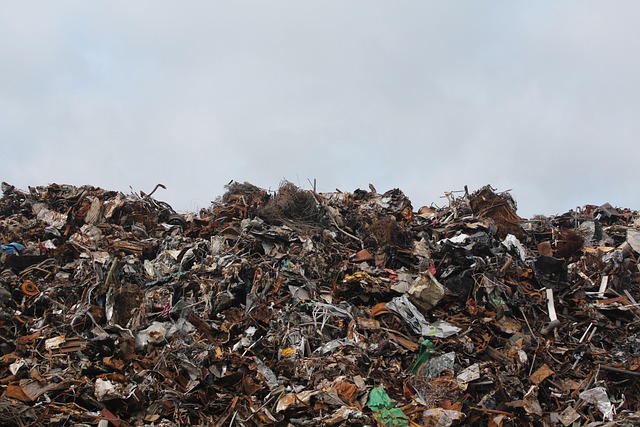
Navigating Equipment Disposal: Legal and Ethical Considerations in Computer Recycling Manhattan
In the bustling landscape of New York City, particularly in areas like Williamsburg, where tech innovation meets vibrant communities, responsible computer recycling Manhattan has become a pressing issue. With tech waste management experts NYC recognizing the environmental impact of electronic devices, proper disposal methods are crucial to mitigating harm. Unfortunately, many residents and businesses still engage in what is colloquially referred to as “computer trash removal Brooklyn,” contributing to mounting e-waste globally. This informal practice not only poses significant legal risks but also overlooks the ethical responsibility to handle sensitive data securely.
Legal frameworks such as the Electronic Waste Management Act (EWM) in New York State outline strict guidelines for the disposal of electronic equipment, including computers. Failure to adhere to these regulations can result in substantial fines and legal repercussions. To navigate this complex landscape, businesses and individuals must seek sustainable e-cycling solutions Williamsburg that align with both state and federal standards. Reputable computer recycling Manhattan facilities employ specialized techniques to disassemble and recycle components while ensuring data destruction, a critical aspect often overlooked in tech waste management.
For instance, a study by the U.S. Environmental Protection Agency (EPA) revealed that only about 20% of e-waste is recycled annually, with the majority ending up in landfills or being illegally exported. This highlights the need for transparency and accountability in computer recycling Manhattan practices. By partnering with certified tech waste management experts NYC, organizations can ensure their electronic assets are processed responsibly, contributing to a more sustainable future. Actionable advice includes conducting due diligence when selecting recycling partners, tracking equipment throughout the disposal process, and educating staff on proper e-waste segregation protocols. Embracing these best practices not only benefits the environment but also fosters public trust in the tech industry’s commitment to ethical computer recycling Manhattan.
Best Practices for Efficient IT Asset Recovery in NYC
Manhattan, with its dense population and bustling tech scene, generates a significant volume of electronic waste (e-waste) each year. Efficient IT asset recovery is not just an environmental imperative but also a strategic opportunity for businesses to reduce costs, comply with regulations, and contribute to sustainable practices within the city. Computer recycling Manhattan has evolved far beyond simple disposal, offering specialized services that facilitate responsible e-waste management across all five boroughs.
One of the key best practices in IT asset recovery is to partner with reputable computer recycling Soho centers or facilities in Lower Manhattan. Organizations like the New York City Department of Sanitation (DSNY) and private companies specialize in electronic device recycling, ensuring hazardous materials are handled safely and components are reused or repurposed. For instance, DSNY’s e-waste collection programs have facilitated the responsible disposal of thousands of tons of electronics from residential and commercial sources across NYC, including Chinatown, where local initiatives have been instrumental in promoting sustainable e-waste management practices.
Additionally, leveraging free computer recycling services available throughout Manhattan can significantly enhance asset recovery efforts. Businesses and residents can drop off their obsolete or broken IT equipment at designated collection points, ensuring proper disposal or recycling. These programs not only benefit the environment but also provide an opportunity for individuals to gain access to refurbished technology at a reduced cost. By participating in such initiatives, organizations can contribute to a circular economy where valuable resources are reclaimed and reused, fostering a more sustainable future for computer recycling Manhattan and beyond.
Local Initiatives: Promoting Sustainable Technology Management

Manhattan, a global hub of technology and innovation, has been at the forefront of sustainable practices, including computer recycling initiatives. These local efforts play a pivotal role in shaping a greener future for the city’s tech landscape. One notable aspect is the diverse range of tech recycling programs across different neighborhoods, each tailored to meet the unique needs of their communities. For instance, the Upper East Side has implemented an extensive computer recycling program that not only accepts old hardware but also provides educational workshops on responsible tech disposal, empowering residents to make eco-conscious choices.
Long Island City has taken a different approach by focusing on large-scale industrial recycling, catering to the substantial tech manufacturing presence in the area. This strategy involves direct collaboration with local businesses to ensure proper disposal of electronic waste (e-waste). Similarly, Greenwich Village embraces community engagement, organizing regular laptop and computer collection events, allowing residents to recycle their outdated devices while fostering a sense of environmental stewardship. These initiatives showcase the city’s commitment to addressing the growing e-waste problem, as statistics reveal that proper tech recycling can reduce landfill contributions by up to 70%.
To ensure long-term success, it is crucial for these programs to adapt and evolve. Local governments and organizations should collaborate to share best practices, create centralized recycling hubs, and raise awareness through comprehensive campaigns. By streamlining computer recycling Manhattan-wide, the city can set an example for sustainable technology management, inspiring other urban centers to follow suit. Ultimately, these local initiatives are pivotal steps towards a greener tomorrow, where tech advancements coexist harmoniously with environmental responsibility.
The Future of E-Waste Reduction: Trends in Computer Recycling

The future of e-waste reduction lies in innovative computer recycling Manhattan practices, as the city grapples with an ever-growing stream of electronic waste. With a surge in technology adoption and obsolescence, efficient e-waste management for businesses NYC has become more critical than ever. Computer recycling services Manhattan have evolved to meet this challenge, offering sustainable solutions that contribute to a greener future.
Nationally, the trend towards computer recycling is evident; according to the EPA, electronics are one of the fastest-growing waste streams in the US, with over 74 million metric tons of electronic waste generated in 2018. Manhattan, as a bustling metropolis, has taken significant strides in addressing this issue through responsible e-waste management practices. Greenpoint, for instance, has emerged as a prominent old electronics collection point, facilitating local computer recycling services and promoting sustainable disposal methods.
Business leaders in NYC are increasingly recognizing the importance of proper e-waste management, not just for environmental reasons but also to enhance corporate social responsibility. By partnering with reputable computer recycling companies, businesses can ensure that their electronic assets are recycled or repurposed responsibly, reducing the impact on local landfills and the environment. This shift towards sustainable practices not only minimizes the ecological footprint but also allows organizations to stay ahead of regulatory changes related to e-waste disposal.
The future of computer recycling Manhattan is promising, with advancements in technology making it easier to extract valuable materials from old electronics. These innovations enable more efficient e-waste management for businesses NYC while reducing the energy and resources required for primary material extraction. As the city continues to prioritize sustainability, we can expect to see further integration of computer recycling services into the fabric of Manhattan’s tech-driven culture.
Computer recycling Manhattan is not just an eco-friendly practice; it’s a strategic approach to sustainable technology management. The article has highlighted several crucial insights: navigating equipment disposal legally and ethically, best practices for IT asset recovery in NYC, local initiatives promoting sustainable tech, and future trends in e-waste reduction. Key takeaways include the significant environmental impacts of proper computer recycling, the legal obligations and ethical responsibilities involved, and the economic benefits of efficient IT asset recovery. Moving forward, businesses and individuals can actively contribute to a greener Manhattan by adopting best practices, engaging with local initiatives, and staying informed about evolving computer recycling trends. This comprehensive guide equips readers with the knowledge and tools necessary to make informed decisions regarding their electronic waste in Manhattan.