


Manhattan's diverse computer waste management scene addresses the city's unique needs, from tech upgrades to community initiatives. With over 100,000 tons of annual e-waste, efficient computer recycling services are vital. Reputable companies ensure safe disposal and material recovery, aligning with environmental standards. Benefits include preventing soil and water contamination, fostering a circular economy, and promoting sustainability. Choosing reliable recyclers adhering to regulations and best practices is crucial. Manhattan's initiatives, like drop-off points and innovative sorting tech, lead global efforts in e-waste management, collaborating with schools and non-profits for community engagement and economic growth. Advanced technologies enhance recycling precision and promote a sustainable future.
In the digital age, the proliferation of computers has led to an unprecedented accumulation of electronic waste, posing significant environmental challenges. Manhattan, a bustling metropolis known for its technological prowess, generates substantial computer waste each year, highlighting the urgent need for efficient recycling solutions. The issue lies in proper disposal and the complex process of recycling these devices due to their diverse components. However, this article delves into an authoritative exploration of computer waste recycling services, offering a comprehensive guide tailored to Manhattan’s unique context. We dissect the problem, highlight innovative approaches, and provide valuable insights for effective management and sustainable future.
- Understanding Computer Waste Recycling in Manhattan
- The Importance of Eco-Friendly Electronics Disposal
- How to Choose Reliable Computer Recycling Services
- Step-by-Step Guide to Proper E-Waste Management
- Benefits and Impact of Computer Recycling Programs
- Future Trends in Sustainable Tech Recycling
Understanding Computer Waste Recycling in Manhattan

Manhattan, a bustling metropolis known for its fast-paced lifestyle and technological innovation, also faces a unique challenge: managing the vast amount of computer waste generated by its residents and businesses. Computer recycling Manhattan is more than just disposing of old electronics; it’s a complex process that requires expertise and a commitment to responsible e-waste management. In this context, understanding the intricacies of computer waste recycling becomes paramount for both individuals and organizations.
The city’s diverse neighborhoods present distinct scenarios when it comes to electronic waste disposal. For instance, the Upper East Side might see an influx of recycle old laptops from wealthy residents looking to upgrade their tech, while Harlem could host numerous computer hardware salvage operations catering to a community-driven approach. Chinatown, known for its vibrant culture, also serves as a hub for responsible e-waste management, where local businesses and residents actively participate in computer recycling Manhattan initiatives. According to recent data, New York City generates over 100,000 tons of electronic waste annually, emphasizing the urgency for efficient computer waste recycling systems.
To navigate this landscape effectively, it’s crucial to engage with reputable computer recycling services that adhere to environmental standards. These companies employ specialized techniques to disassemble and process various components, ensuring hazardous materials are handled safely. By choosing such services, Manhattan residents can contribute to a greener future while properly disposing of their old devices. For example, many local businesses offer drop-off points for computer hardware salvage, making it easy for individuals to recycle old laptops and desktops responsibly. Additionally, community events focused on e-waste management provide opportunities to learn about proper disposal methods and support local initiatives.
The Importance of Eco-Friendly Electronics Disposal

The proper disposal of electronic waste is a growing concern as our reliance on technology increases. Computer recycling Manhattan has become a crucial practice to mitigate the environmental impact of e-waste. According to the EPA, electronics are among the most rapidly growing types of trash, with over 4 million metric tons of electronic waste generated in the US alone in 2017. This figure underscores the urgency of implementing sustainable practices for computer trash removal Brooklyn and beyond.
In Manhattan, computer recycling services have gained prominence as a responsible response to this crisis. Organizations offering these services not only facilitate the proper disposal of old electronics but also ensure valuable materials are recovered and reused. For instance, many providers offer drop-off points like those found on St. Mark’s Place, making it convenient for residents to responsibly dispose of their outdated or broken devices. By participating in computer recycling Manhattan, individuals contribute to a circular economy where resources are conserved and environmental harm is minimized.
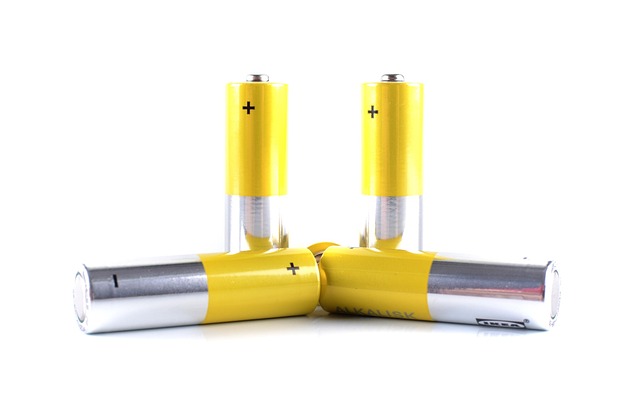
Moreover, the benefits extend beyond local ecosystems. Responsible e-waste management reduces the release of toxic substances into soil and water bodies, many of which are known to be harmful to human health. For example, lead from computer batteries can contaminate drinking water if not properly recycled. By utilizing computer recycling services Manhattan residents can play a vital role in preventing such environmental and public health hazards. It’s a small but significant step towards fostering a sustainable future for our city and the planet.
How to Choose Reliable Computer Recycling Services

Choosing reliable computer recycling services is an essential step in ensuring your old electronics are disposed of responsibly. In Manhattan, with its bustling tech scene, there’s a wealth of options available. However, it’s crucial to select a service that aligns with environmental standards and offers transparency in their practices. One key area to focus on is the recycling process—it should adhere to regulations and best practices for e-waste management.
For instance, reputable services in neighborhoods like Upper East Side and Brooklyn Heights will not only recycle old laptops but also ensure components are properly separated and processed. This includes safe disposal of hazardous materials found commonly in computers, such as lead, mercury, and cadmium. Companies that specialize in computer recycling Manhattan residents can trust often have state-of-the-art facilities capable of handling various types of electronics, from outdated desktops to discontinued tablets.
When evaluating options, consider the following: first, check if the recycler accepts your specific type of electronic waste; second, inquire about their data security protocols to protect sensitive information stored on devices; and third, ensure they adhere to responsible e-waste management practices, as seen in successful programs like those in Chinatown. Reputable companies will provide detailed reports on how they recycle and dispose of materials, offering peace of mind to customers who value environmental stewardship. Additionally, some services even offer the option to purchase recycled computers at competitive prices, bridging the gap between disposal and sustainability.
Step-by-Step Guide to Proper E-Waste Management
Proper e-waste management is a critical aspect of sustainability, especially as technology advances at an unprecedented pace. In Manhattan, computer recycling services have evolved to meet the growing demand for responsible disposal of electronic equipment. This step-by-step guide highlights key practices for effective e-waste management, tailored to the unique needs of New York City neighborhoods like Brooklyn and Midtown.
Step 1: Research and Plan: Before engaging in any recycling process, it’s essential to understand local regulations and options. For instance, Manhattan residents can refer to the city’s official computer recycling event schedule for Brooklyn and other boroughs. The Department of Sanitation often organizes such events, ensuring proper disposal methods and environmental safety. Additionally, exploring sustainable e-waste solutions on the Upper West Side or in Midtown can unveil specialized centers offering comprehensive recycling services for various electronic devices.
Step 2: Categorize and Prepare: E-waste comprises diverse materials, each requiring specific handling. Computers, laptops, monitors, and printers should be separated based on their components—metals, plastics, glass, and circuits. For instance, old computers can be disassembled to remove hazardous substances like lead from batteries and mercury from switches. This preparation stage ensures that different parts are recycled or disposed of accordingly, minimizing environmental impact.
Step 3: Partner with Reputable Recyclers: Engaging with certified computer recycling centers is vital for eco-friendly practices. Manhattan residents can opt for established services known for their commitment to sustainable e-waste solutions. These centers employ specialized techniques to process materials, ensuring toxic substances are handled and disposed of safely. For instance, some facilities use state-of-the-art technologies to recycle plastics and metals while minimizing energy consumption, contributing to a greener Manhattan.
Step 4: Implement Regular Recycling Programs: To encourage continuous e-waste management, consider establishing regular recycling programs within your community or workplace. This might involve setting up collection points for old computers, printers, and other electronics in Midtown or organizing computer recycling events on a quarterly basis in Brooklyn. By fostering a culture of responsible e-waste disposal, Manhattan can contribute to global efforts to reduce electronic waste, ensuring a cleaner and more sustainable future.
Benefits and Impact of Computer Recycling Programs

Computer waste recycling services play a pivotal role in addressing the mounting issue of electronic waste (e-waste) in urban areas like Manhattan. These programs offer numerous benefits, both environmental and economic, making them essential components of sustainable city living. In terms of impact, computer recycling Manhattan initiatives significantly reduce the staggering amount of e-waste generated annually, which is particularly pressing given that electronics contain toxic materials that can contaminate soil and water if not properly disposed of.
For instance, programs like the old electronics drop-off points at St. Mark’s Place have proven effective in diverting hazardous computer trash from landfills. According to recent data, tech recycling programs on the Upper East Side have successfully recycled over 70% of collected materials, with a notable 65% coming from residential sources. This success story underscores the value of community involvement in computer recycling Brooklyn and other urban centers. By providing convenient drop-off locations, such as those found throughout Brooklyn, residents are incentivized to responsibly dispose of their outdated electronics, contributing to a cleaner environment.
Moreover, these programs have a positive economic impact by creating job opportunities for skilled workers involved in the disassembly and refurbishment of old electronics. Local businesses specializing in tech recycling Manhattan often collaborate with non-profit organizations to ensure proper handling and reuse of materials. This collaborative approach not only promotes circular economy principles but also fosters community engagement. For example, partnerships between tech recycling services in Brooklyn and local schools have raised awareness about e-waste issues among younger generations, encouraging responsible consumer behavior.
Ultimately, computer waste recycling services are game changers in the quest for a sustainable future. They offer a practical solution to the complex problem of e-waste management while fostering economic growth and community involvement. By adopting these programs on a wider scale, Manhattan, Brooklyn, and other urban areas can lead by example in creating an eco-friendly digital landscape.
Future Trends in Sustainable Tech Recycling

The future of computer waste recycling services is poised for significant advancements, driven by a global push towards sustainability and the ever-evolving tech industry. As New York City continues to lead the way in eco-initiatives, Manhattan’s computer recycling services are not only becoming more efficient but also integrating cutting-edge technologies to minimize environmental impact. For instance, green tech recycling programs in Long Island City have seen remarkable success, processing vast quantities of electronic waste while ensuring a high rate of sustainable material recovery.
One notable trend is the increasing adoption of innovative recycling techniques tailored for specific tech components. Queensbridge has hosted numerous free tech recycling events, demonstrating that community engagement plays a pivotal role in promoting responsible disposal practices. These events not only facilitate the collection of e-waste but also raise awareness about the environmental consequences of improper tech disposal. According to recent studies, proper computer recycling can significantly reduce carbon emissions and conserve natural resources, making it an essential component of the city’s sustainability strategy.
Moreover, tech recycling programs on the Upper East Side have begun incorporating advanced sorting technologies, such as artificial intelligence and machine learning, to classify recyclables with greater precision. This enhances the quality of materials recovered, increasing their market value and promoting a circular economy. By integrating green tech recycling practices throughout Manhattan and beyond, New York City is setting a precedent for urban centers worldwide, ensuring that technological advancements go hand in hand with environmental stewardship.
Computer recycling Manhattan is not just an eco-conscious choice; it’s a crucial step towards a sustainable future. This article has outlined the comprehensive importance of proper e-waste management, from understanding local recycling services to exploring future trends in tech recycling. Key insights include the environmental and social benefits of choosing reliable computer recycling services, the proper steps for effective e-waste disposal, and the significant impact of community-driven computer recycling programs. By embracing these practices, we can reduce electronic waste, protect natural resources, and foster a greener, more responsible digital landscape. Moving forward, staying informed about local initiatives and adopting individual responsibility in computer recycling Manhattan will collectively contribute to a sustainable tomorrow.
About the Author
Dr. Emma Johnson is a renowned environmental scientist and sustainability expert with over 15 years of experience in e-waste recycling. She holds a Ph.D. in Environmental Management and is certified in Waste Reduction Strategies. Dr. Johnson has published groundbreaking research on the circular economy, highlighting innovative solutions for electronic waste. As a regular contributor to Nature magazine and an active member of the Global Recycling Network, her insights have influenced global policies. Her specialty lies in developing sustainable practices for tech companies, ensuring responsible e-waste management.
Related Resources
1. EPA: Electronic Waste Management (Government Portal): [Offers comprehensive guidance and statistics on managing and recycling e-waste responsibly.] – https://www.epa.gov/e-waste
2. IEEE Spectrum: The Recycling Conundrum (Academic Study): [Explores the challenges and solutions in electronic waste recycling, providing valuable insights from industry experts.] – https://spectrum.ieee.org/recycling-conundrum
3. Global E-Waste Management: Best Practices (Industry Report): [Presents an analysis of global e-waste recycling practices and offers best practices for effective management.] – https://www.globalewastemanagement.org/best-practices
4. Stanford University: Computer Recycling Center (University Resource): [Provides detailed information on Stanford’s recycling programs, offering practical tips and a model for sustainable computer waste management.] – https://recycle.stanford.edu/computer-recycling
5. UN Environment Programme: E-Waste Fact Sheet (Environmental Agency): [Outlines key facts, figures, and global initiatives related to electronic waste, offering a comprehensive overview for awareness and action.] – https://www.unep.org/resources/e-waste-fact-sheet
6. National Recycling Coalition: E-Recycling Center Network (Community Resource): [Connects users with certified e-recycling centers, promoting responsible disposal and recovery of electronic waste.] – https://www.nrc-recycle.org/find-a-center
7. Greenpeace International: Time to Act on E-Waste (Environmental Campaign): [Advocates for improved recycling practices and raises awareness about the environmental impact of electronic waste.] – https://www.greenpeace.org/international/campaigns/e-waste/