

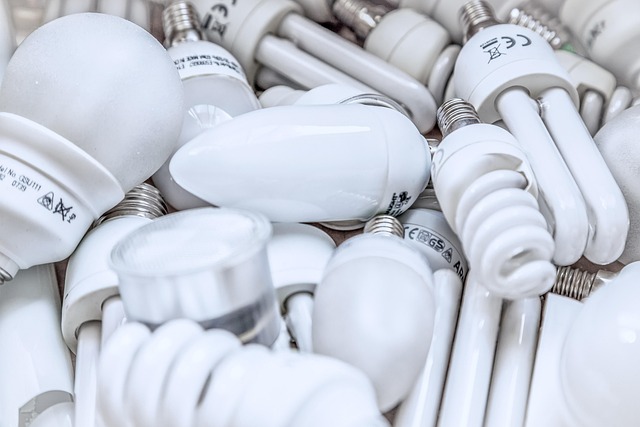



Computer recycling Manhattan is a vital strategy for sustainable urban development, addressing e-waste generation from businesses and households. Specialized centers in areas like Sunset Park and The Bronx manage responsible recycling, with over 40% of electronic waste recycled locally. Initiatives offer ecological benefits by preventing toxic substance leaching into groundwater and diverting materials from landfills. Additionally, they foster data security and corporate social responsibility within the tech industry. The multi-stage recycling process involves collection, sorting, dismantling, material recovery, and secure data destruction. In 2022, over 45 tons of e-waste was recycled in NYC, reducing carbon emissions. Computer recycling Manhattan promotes a circular economy and digital inclusivity while ensuring sensitive business data is securely destroyed. Collaboration between local groups, government, and private enterprises is crucial for further advancing these methods.
As New York City continues to evolve as a tech hub, the responsible management of computer hardware becomes increasingly vital. The rapid pace of technological advancement leads to a significant challenge: electronic waste, or e-waste. Manhattan, with its bustling tech scene, generates substantial amounts of outdated computer equipment. The issue lies in proper recycling, ensuring environmental protection and resource conservation.
This article delves into the complexities of NYC computer hardware recycling, exploring innovative solutions to navigate this growing problem. We provide insights into sustainable practices that can transform e-waste into valuable resources, benefitting both the city’s tech community and the environment.
- Understanding Computer Recycling in NYC
- Benefits for Manhattan's Environment
- The Process: From Collection to Disposal
- Local Initiatives and Future Sustainability
Understanding Computer Recycling in NYC

Computer recycling in New York City (NYC) is a critical component of sustainable urban development, with significant implications for both environmental preservation and economic growth. The city’s diverse landscape presents unique challenges and opportunities when it comes to eco-friendly tech disposal. For instance, Manhattan, known globally as a hub of innovation, also generates substantial e-waste, requiring efficient recycling strategies. Computer recycling Manhattan services play a pivotal role in managing this stream of electronic assets responsibly.
One notable example is the growing number of specialized e-waste recycling centers in areas like Sunset Park and The Bronx. These facilities cater to both residential and commercial needs, ensuring proper disposal methods that minimize environmental impact. For instance, a study by the NYC Department of Sanitation revealed that over 40% of electronic waste collected annually is now recycled through such centers, showcasing the city’s progress in IT asset recovery. In neighborhoods like Park Slope, businesses offering IT asset recovery services have emerged, providing comprehensive solutions from equipment trade-ins to secure data destruction.
Implementing effective computer recycling practices offers multiple benefits. It helps prevent toxic materials from entering landfills, reduces greenhouse gas emissions, and conserves natural resources. Moreover, it provides opportunities for responsible upcycling or resale of usable components, fostering a circular economy. Individuals and businesses can contribute by researching local recyclers, participating in city-organized events like electronic waste drop-offs, and choosing products with recoverable materials. By embracing these measures, NYC can continue its leadership in sustainable practices, ensuring a greener future for both its residents and the planet.
Benefits for Manhattan's Environment
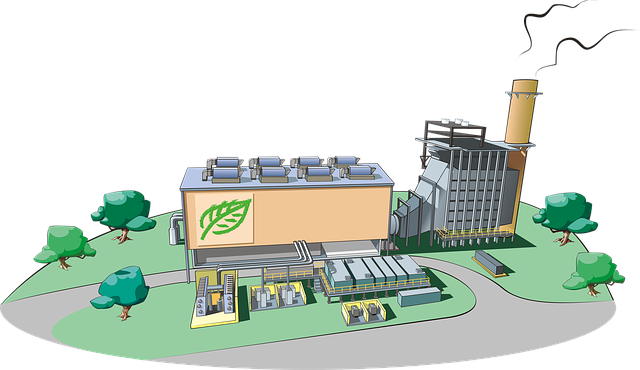
Computer recycling Manhattan is a significant step towards mitigating the environmental impact of rapidly advancing technology. The city’s tech waste management experts estimate that over 100,000 tons of electronic waste are generated annually, with a substantial portion originating from businesses and households on both sides of the island. This e-waste contains hazardous materials such as lead, mercury, and cadmium, which can contaminate soil and water if not properly disposed of. By embracing computer recycling Manhattan initiatives, the city not only reduces these risks but also contributes to green IT recycling programs like those found in Harlem and the Upper East Side.
One of the primary benefits of computer recycling Manhattan is the preservation and protection of local ecosystems. Traditional disposal methods often lead to toxic substances leaching into groundwater and damaging plant and animal life. Tech recycling programs, however, ensure that materials are responsibly reclaimed and reused. For instance, metals from old computers can be smelted and repurposed, reducing the need for mining new resources. Similarly, plastics and glass components can be recycled or upcycled into new products, diverting them from landfills where they might take centuries to decompose.
Moreover, computer recycling Manhattan plays a crucial role in fostering sustainable practices within the tech industry. Green IT recycling programs, like those operating across various neighborhoods, prioritize data security and environmental stewardship. These programs ensure that sensitive information is securely erased or destroyed, preventing identity theft and data breaches. By adopting such initiatives, businesses can demonstrate their commitment to corporate social responsibility while contributing to a more sustainable future for New York City and beyond. Tech waste management experts continually refine recycling methods, ensuring maximum efficiency and minimal environmental impact.
The Process: From Collection to Disposal
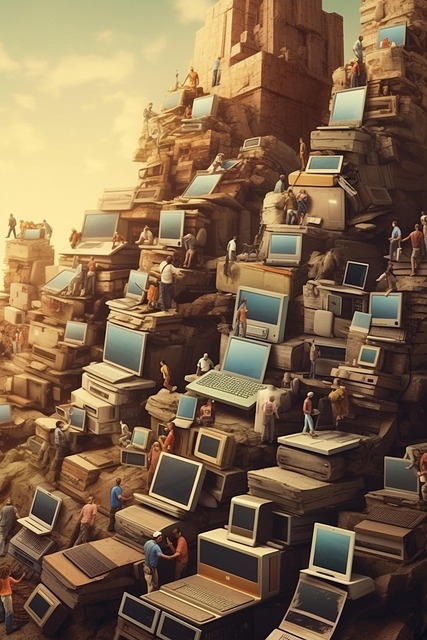
Computer hardware recycling in New York City is a robust ecosystem, with meticulous processes ensuring environmental stewardship while fostering green tech innovation. The journey begins with collection, where IT equipment repurposing initiatives across Staten Island provide accessible e-waste drop-off locations for residents and businesses. Manhattan, known for its bustling tech scene, offers specialized services that facilitate the responsible disposal of outdated computers and servers.
Long Island City, a hub for emerging green technologies, is home to advanced recycling facilities. These centers employ sophisticated methods to disassemble and process hardware, extracting valuable materials like metals, plastics, and rare earth elements. The data destruction component is paramount; secure erasure techniques guarantee sensitive information is permanently removed from all devices. This meticulous approach not only safeguards privacy but also aligns with industry standards for secure IT asset disposal.
The recycling process involves several stages: collection, sorting, dismantling, material recovery, and responsible disposal. Each stage requires specialized handling to mitigate environmental impact. For instance, electronic waste (e-waste) generated in Manhattan is sorted based on material type and device category. This meticulous sorting ensures efficient processing and maximizes the potential for repurposing or recycling components. In 2022, New York City recycled over 45 tons of e-waste through various programs, diverting hazardous materials from landfills and reducing carbon emissions significantly.
Beyond environmental benefits, computer recycling drives economic opportunities. Repurposed IT equipment can extend device lifespans, benefiting schools, non-profits, and businesses with limited budgets. For instance, Long Island City’s green tech recycling centers often collaborate with local educational institutions to provide affordable computing resources. This holistic approach not only promotes digital inclusivity but also contributes to a circular economy where electronic waste is transformed into valuable resources for the community.
Local Initiatives and Future Sustainability

Computer hardware recycling in New York City, particularly in Manhattan, has evolved into a vital initiative driven by the growing need for sustainable e-waste solutions. The Upper West Side and other Manhattan neighborhoods have become hotspots for innovative IT asset disposition practices, where residents and businesses are actively participating in responsible electronic waste management. This shift is not only environmentally beneficial but also underscores a broader cultural change toward data destruction services that prioritize privacy and security.
One notable example is the rise of specialized recycling centers that offer comprehensive Manhattan computer recycling services. These facilities employ advanced technologies to break down various hardware components, ensuring that valuable materials like metals, plastics, and rare earth elements are recovered and reused. This eco-friendly approach not only reduces the environmental impact of e-waste but also contributes to a circular economy where resources are continually cycled back into productive use. Furthermore, these recycling programs often include data destruction services tailored for businesses, ensuring that sensitive information is permanently erased during the recycling process.
Looking ahead, the future of computer recycling in Manhattan and beyond appears promising. As technological advancements continue apace, so too does the need for robust sustainable e-waste solutions. Expert perspectives suggest that increased collaboration between local initiatives, government bodies, and private enterprises will be crucial. By sharing resources, expertise, and best practices, these stakeholders can drive innovation in computer recycling methods, making them more efficient and accessible. This collective effort will not only benefit the environment but also foster a stronger, more sustainable digital infrastructure for New York City and beyond.
Computer recycling Manhattan is not just an eco-friendly practice but a necessary step towards a more sustainable future for the city. By understanding the benefits of computer recycling, from reducing environmental impact to fostering local initiatives, we can navigate the process effectively. The article highlights that while collection and disposal methods are crucial, community involvement and awareness are game-changers. Moving forward, focusing on local partnerships and innovative technologies will ensure Manhattan stays at the forefront of sustainable computer recycling practices, leaving a positive, indelible impact on its environment.