

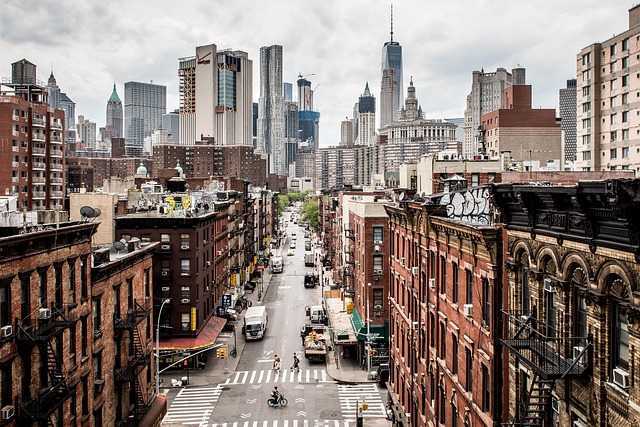
Computer recycling Manhattan is a strategic approach to mitigate e-waste challenges, focusing on data security, resource recovery, and environmental preservation. Reputable recyclers in Williamsburg and Astoria employ skilled technicians to disassemble and separate components, diverting 90% of e-waste from landfills. This initiative, embraced by Manhattan's tech sector, reduces environmental impact and promotes a circular economy. Businesses should partner with certified recyclers to minimize their e-waste footprint and contribute to Manhattan's leadership in sustainable computer recycling practices globally.
Computer recycling Manhattan is a pressing issue in the digital age. With technology rapidly advancing, electronic waste (e-waste) has become an increasingly significant global problem. Manhattan, as a bustling metropolis, generates substantial amounts of e-waste from businesses and residents alike. The challenge lies in managing this waste responsibly without contributing to environmental harm.
This article explores effective strategies for computer recycling in Manhattan, providing insights into how the city can navigate this complex issue. We’ll preview best practices, legal considerations, and community initiatives that hold the key to transforming e-waste into valuable resources while fostering a sustainable future for New York City.
- Understanding Computer Recycling in Manhattan
- The Process: How Computer Recycling Works Locally
- Benefits and Challenges: Manhattan's Recycling Initiative
Understanding Computer Recycling in Manhattan

Computer recycling Manhattan is more than just discarding old technology; it’s a crucial aspect of sustainable e-cycling solutions Williamsburg and eco-conscious tech disposal Astoria. With NYC’s diverse business landscape generating significant amounts of e-waste, effective management is essential. According to recent data, the average American household replaces its computer every 3–5 years, contributing to a substantial stream of electronic waste. In Manhattan alone, businesses and residents produce tons of e-waste annually, underscoring the need for efficient recycling programs.
Expert recommendations for e-waste management for businesses NYC emphasize responsible disposal practices. Unlike traditional methods that often lead to environmental contamination, sustainable e-cycling solutions Williamsburg prioritize safe data destruction and component reclamation. For instance, many reputable recyclers in Astoria use specialized equipment to wipe hard drives clean, ensuring no sensitive information falls into the wrong hands. This not only protects personal and corporate data but also maximizes the recovery of valuable materials like gold, silver, and rare earth elements.
Manhattan’s thriving tech sector has embraced these eco-conscious practices, leading to a reduction in the environmental impact of e-waste. Businesses are increasingly partnering with certified recyclers who adhere to strict regulations and ethical standards. By participating in such programs, companies not only contribute to a cleaner environment but also gain public recognition for their commitment to sustainability. Ultimately, effective computer recycling Manhattan-style sets an example for other cities, demonstrating that responsible tech disposal is both feasible and impactful.
The Process: How Computer Recycling Works Locally

Computer recycling Manhattan is a complex yet vital process, designed to mitigate the environmental impact of outdated electronic devices. At its core, this initiative involves several key stages that transform discarded computers and peripherals into valuable resources. Local efforts in computer recycling play a crucial role in managing e-waste disposal NYC, ensuring that hazardous materials are handled safely and that functional components find new life.
The journey begins with the collection of old electronics at designated drop-off points like St. Mark’s Place. Here, residents and businesses can responsibly dispose of their obsolete computers, monitors, and other electronic equipment. Once gathered, these items are transported to specialized facilities where the recycling process truly commences. Skilled technicians disassemble the devices, carefully separating various components such as metals, plastics, and glass. This meticulous approach is essential to maximize resource recovery and minimize environmental harm.
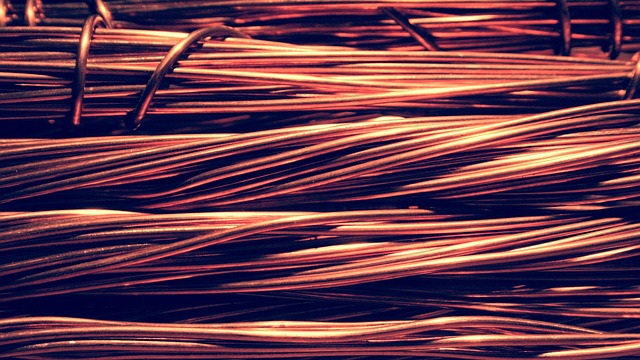
For instance, consider the average desktop computer: its plastic casing can be recycled into new products, while valuable metals like copper and aluminum are extracted for reuse in manufacturing. Additionally, computer parts reuse Queens has gained traction, where functional components from retired machines are revitalized and sold to extend their lifespan. This practice not only reduces the demand for virgin resources but also fosters a circular economy model that is beneficial for both consumers and the environment. Data from local recycling programs shows that proper e-waste management can divert up to 90% of materials from landfills, underscoring the significant impact of these initiatives.
To ensure the process remains sustainable, it’s important for Manhattan residents and businesses to stay informed about accepted materials and drop-off locations. By participating actively in local computer recycling programs, we contribute to a global effort that conserves natural resources, reduces pollution, and fosters innovation in technology reuse.
Benefits and Challenges: Manhattan's Recycling Initiative

Manhattan, a bustling metropolis known for its rapid pace of life, has also pioneered innovative solutions to urban challenges, including sustainable computer recycling initiatives. The city’s efforts in e-waste management are vital, given the ever-growing mountain of electronic waste globally. Computer recycling Manhattan has evolved into a strategic approach, addressing both environmental and economic aspects. One key challenge lies in the proper disposal of old computers, especially in densely populated areas like Midtown, where space is limited and e-waste can quickly accumulate.
The benefits are multifaceted. Effective computer parts reuse Queens programs, for instance, can extend the lifespan of valuable resources, reducing the demand for virgin materials. This initiative also fosters a circular economy, where discarded electronics are transformed into raw materials for new products. For businesses in NYC, responsible e-waste management is not just an environmental responsibility but also a strategic decision to stay compliant with local regulations and avoid potential penalties. By partnering with specialized recycling centers, companies can ensure their electronic waste is handled securely, contributing to a cleaner, more sustainable Manhattan.
Despite these advantages, challenges remain. The intricate process of disassembling computers for parts reuse requires skilled labor and advanced facilities. Many old computer components contain hazardous materials, necessitating safe handling and specialized treatment. Moreover, keeping up with constantly evolving technologies poses a challenge in identifying and recycling obsolete hardware efficiently. However, with dedicated efforts and investments in e-waste management infrastructure, Manhattan is poised to become a leader in sustainable computer recycling practices, setting an example for other urban centers worldwide.
Computer recycling Manhattan is not just an eco-friendly practice but a strategic initiative with multifaceted benefits. By understanding the local recycling process and navigating the associated challenges, residents and businesses can contribute to a sustainable future. The key insights highlight the environmental and economic advantages of computer recycling, including reduced e-waste and resource conservation. However, challenges such as data security concerns and proper disposal methods require careful consideration. Moving forward, adopting best practices, supporting local recycling programs, and staying informed about Manhattan’s recycling initiatives are practical steps towards a greener digital landscape.