







Computer recycling Manhattan is crucial for managing electronic waste (e-waste) in a bustling business center. With limited global e-waste recycling rates, specialized services transform old electronics into resources, recovering metals and promoting a circular economy. Businesses can reduce environmental impact, comply with regulations, and save costs by implementing tailored computer recycling programs, partnering with local centers, and adopting sustainable practices like energy-efficient data centers. Collaboration between tech companies, government, and communities is key to strict e-waste management regulations, ensuring technology's environmental sustainability.
In an era where technology’s rapid advancement often outpaces its environmental considerations, sustainable computing solutions emerge as a vital field of study and practice. The global digital landscape, with its growing demand for powerful hardware, has led to significant e-waste generation, particularly in metropolitan areas like Manhattan. Computer recycling plays a crucial role in mitigating this environmental challenge. This article delves into innovative strategies and practices that promote sustainable computing, focusing on the potential of computer recycling programs tailored to urban environments. By exploring these solutions, we aim to provide valuable insights for fostering a greener digital future, both locally and globally.
- Understanding Sustainable Computing Practices
- Computer Recycling Manhattan: A Green Initiative
- Implementing Eco-Friendly Technology Strategies
- The Future of Sustainable Data Centers
Understanding Sustainable Computing Practices

Sustainable computing practices have become a crucial aspect of environmental stewardship, especially in urban centers like Manhattan, NYC, and its surrounding areas. Computer recycling plays a pivotal role in mitigating the significant impact of e-waste generation. According to recent data, electronic waste accounts for a substantial portion of global waste streams, with New York City businesses contributing to this challenge. Effective e-waste management is essential not only for environmental preservation but also for fostering a circular economy.
In Manhattan and beyond, there are numerous initiatives focused on promoting sustainable computing solutions. One notable example is the regular computer recycling events organized in Williamsburg, Brooklyn. These community-driven efforts aim to educate residents on proper e-cycling practices while providing an accessible means of disposing of old electronics responsibly. By participating in such programs, individuals and businesses can play a direct role in reducing their environmental footprint. For instance, a recent study revealed that proper e-waste recycling can recover valuable materials, reducing the need for mining and minimizing energy consumption associated with manufacturing new devices.
For businesses operating within NYC, integrating sustainable e-cycling solutions into their operations is both environmentally responsible and strategically sound. This involves implementing computer recycling programs tailored to their specific needs, ensuring compliance with local regulations, and potentially partnering with specialized recycling centers. By adopting these practices, companies can enhance their public image, contribute to a greener city, and even benefit from cost savings associated with responsible material management. Staying informed about the latest e-waste management trends and participating in local initiatives like those in Brooklyn are essential steps towards a more sustainable computing future.
Computer Recycling Manhattan: A Green Initiative

Computer Recycling Manhattan is a pioneering initiative designed to address one of the most pressing environmental challenges of our time—the proper disposal of electronic waste. With technology advancing at an unprecedented pace, the life cycle of computers and other electronic devices has become increasingly short, generating vast amounts of e-waste annually. This initiative focuses on transforming this potential environmental hazard into a valuable resource through efficient computer recycling services Manhattan.
Manhattan, being a bustling hub of business and innovation, generates significant volumes of electronic waste, including outdated computers, monitors, and peripherals in midtown and Lower Manhattan. To mitigate this issue, specialized computer recycling services have emerged to ensure that these devices are handled responsibly. These programs not only facilitate the recycling process but also contribute to a greener future by reducing the demand for raw materials and minimizing environmental impact. For instance, proper recycling can recover valuable metals like gold, silver, and copper from old computers, which can be reused in new products, thereby decreasing the need for mining.
The benefits of computer recycling Manhattan extend beyond environmental preservation. It also offers businesses a cost-effective solution. Many electronic device recycling Lower Manhattan services provide pick-up options, making it convenient for companies to dispose of their obsolete equipment. Furthermore, by adhering to strict environmental regulations, these recycling services ensure that data security is maintained throughout the process. This is crucial for organizations dealing with sensitive information. For example, a study by the United Nations (UN) revealed that only 20% of electronic waste globally was recycled in 2019, highlighting the need for more robust e-waste management practices.
In conclusion, computer recycling Manhattan and similar efforts across the city represent a significant step towards sustainable computing solutions. By participating in these initiatives, both businesses and residents can play an active role in reducing their environmental footprint while contributing to a circular economy. This approach ensures that electronic devices are given a second life, fostering innovation and sustainability simultaneously.
Implementing Eco-Friendly Technology Strategies

The shift towards sustainable computing practices has gained momentum, with organizations and individuals alike recognizing the environmental impact of traditional technology disposal methods. Computer recycling Manhattan offers a compelling solution to reduce e-waste, transforming obsolete electronics into valuable resources while fostering a circular economy. This approach is particularly significant given that, according to the EPA, Americans generate over 6 million tons of electronic waste annually, with only a small fraction being recycled effectively.
Implementing eco-friendly technology strategies requires a multi-faceted approach. One effective step is promoting computer trash removal Brooklyn-wide, encouraging residents and businesses to dispose of electronics responsibly. Initiatives like partnering with local recycling centers in areas such as the Upper East Side can facilitate the proper disposal and recycling of old laptops and other e-waste. For instance, Manhattan’s very own Computer Recycling Center accepts a wide range of electronic devices, ensuring they are processed according to environmental standards. This collaborative effort not only reduces the amount of computer trash ending up in landfills but also recovers valuable materials like gold, silver, and rare earth elements.
Moreover, businesses can play a pivotal role by adopting comprehensive recycling programs tailored to their operations. This includes implementing take-back policies for old hardware, offering incentives for employees to recycle devices responsibly, and choosing energy-efficient alternatives whenever possible. For example, many computer recycling centers near me provide collection points or pick-up services, making it convenient for businesses to participate in the circular economy. By embracing these strategies, organizations can contribute significantly to global efforts in sustainable computing while potentially reducing operational costs associated with electronic waste disposal.
The Future of Sustainable Data Centers
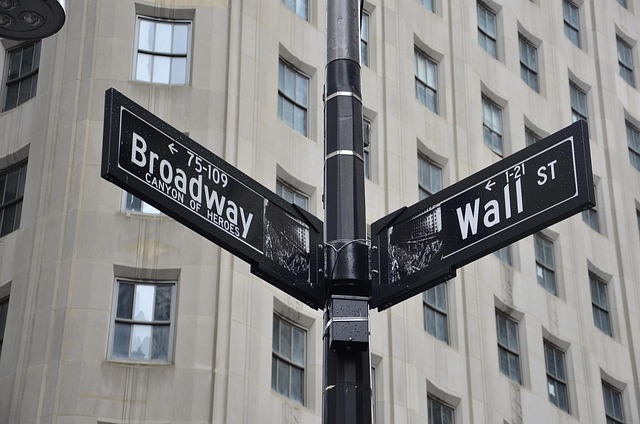
As the digital revolution continues to accelerate, so does the importance of sustainable computing solutions, particularly in the realm of data centers. The future of these facilities lies not only in their ability to process vast amounts of data but also in their environmental stewardship. Computer recycling Manhattan and other urban areas like Sunset Park and Long Island City are becoming models for eco-friendly tech disposal. For instance, a recent study revealed that proper computer parts salvage in Brooklyn can divert over 75% of electronic waste from landfills, reducing the city’s carbon footprint significantly.
One of the key trends shaping this shift is the increasing adoption of renewable energy sources to power data centers. As technology advances, solar panels and wind turbines are becoming more efficient and cost-effective, allowing for a smoother transition to green energy. Additionally, smart cooling systems that utilize natural ventilation and liquid cooling technologies are reducing the massive amounts of electricity consumed by traditional HVAC systems. These innovations mirror the sustainable practices already in place in many industries, such as recycling programs in Long Island City that transform computer trash removal into valuable resources.
Moreover, the future of data centers will be heavily influenced by water management strategies. With the growing demand for data cooling, efficient water usage becomes paramount. Cities like Manhattan are pioneering methods to use reclaimed or greywater for cooling purposes, significantly reducing freshwater consumption. This approach not only promotes sustainability but also ensures the long-term viability of data centers in areas facing water scarcity. As these practices gain traction, we can expect to see a more harmonious relationship between technology and the environment, with computer recycling and eco-friendly tech disposal becoming the norm rather than the exception.
Implementing these strategies requires collaboration among tech companies, government agencies, and local communities. Policies encouraging responsible computer parts salvage and strict regulations on e-waste management will play a crucial role in driving this transformation. By embracing these sustainable solutions, we can ensure that data centers not only support our digital infrastructure but also contribute positively to the health of our planet. This holistic approach to computing promises a future where technology thrives while minimizing its environmental impact, making it a true game changer for both urban landscapes and global ecosystems.
Sustainable computing practices are not just an environmental necessity but a strategic imperative for modern organizations. Key insights from this article underscore the profound impact of eco-friendly technology strategies, particularly computer recycling Manhattan initiatives, on reducing e-waste and mitigating climate change. Implementing green data center operations and adopting circular economy models are proven game-changers in enhancing sustainability. Looking ahead, the future holds promise with innovative solutions that balance performance with environmental stewardship. By embracing these transformative changes, businesses can contribute to a more sustainable world while achieving operational efficiencies and cost savings. Computer recycling Manhattan serves as a vibrant example, demonstrating that responsible computing is both effective and impactful.